

Why Pilates Alone Isn’t Enough for Dancers
"But my dancers take Pilates classes, that should be enough?!", This is a common misconception many dance teachers have.
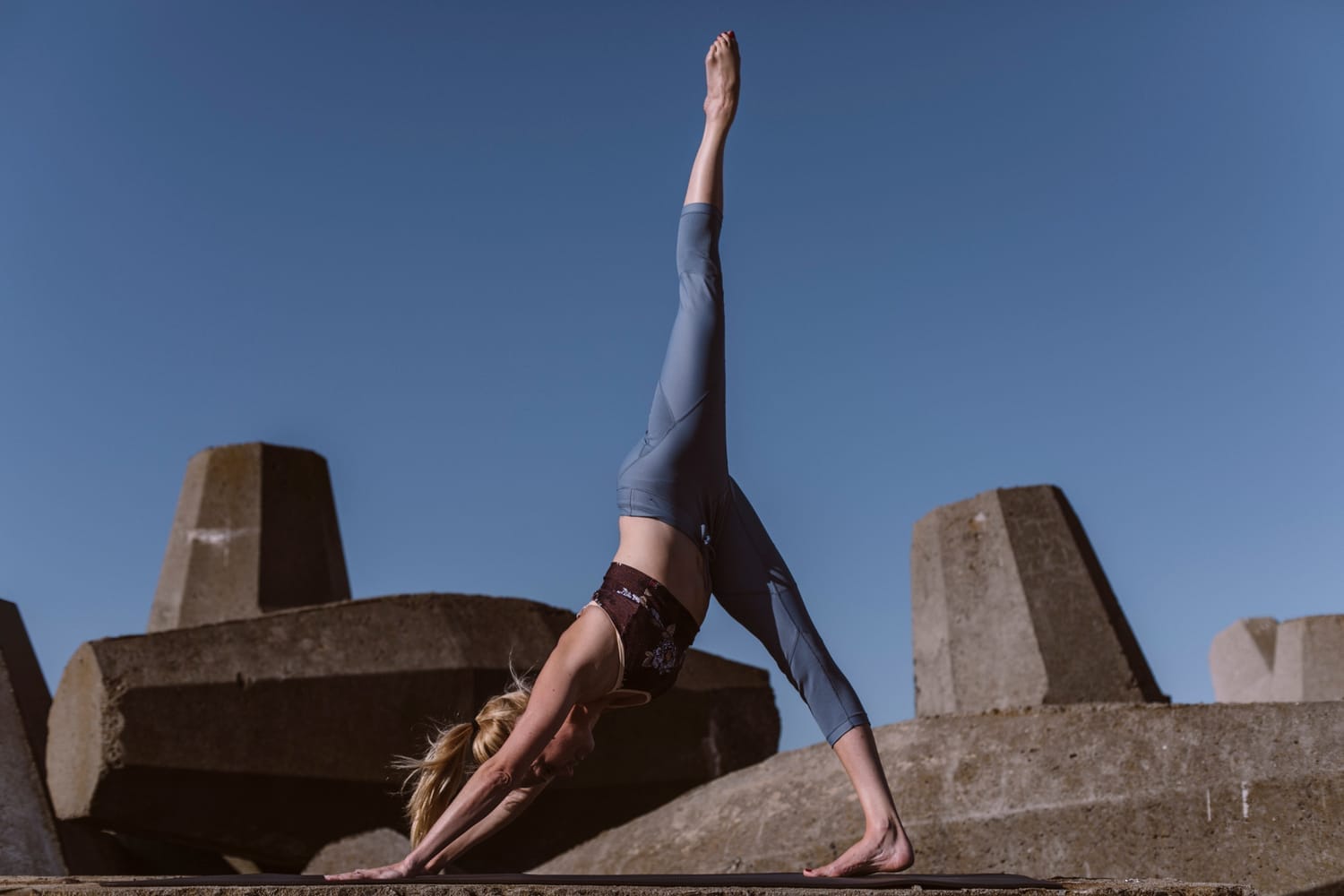
Pilates is one of the most valuable tools a dancer can use. It builds alignment, core control, breath awareness, mobility, and mind–body connection, all essential for dance longevity.
But somewhere along the way, the dance world started treating Pilates as the only conditioning dancers need. And while Pilates plays a critical role, it simply isn’t enough on its own to meet the physical demands dancers face today.
If we want dancers in South Africa, and globally, to move safely, powerfully, and intelligently, we need to expand beyond Pilates and embrace a more complete, evidence-based conditioning approach.
Here’s why.
1. Pilates Doesn’t Build Explosive Power
Dance requires:
jumps with height
quick directional changes
landing mechanics
explosive speed
fast-twitch muscle activation
Pilates builds stability, not power.
Without plyometrics, strength training, and proper jump conditioning, dancers:
land heavily
fatigue quickly
develop shin splints and knee pain
compensate through the lower back
struggle to increase jump height
Pilates enhances control but power must be trained separately.
2. Pilates Doesn’t Fully Address Strength for Technique
Yes, Pilates builds core strength and stabilisation, but dancers also need:
glute strength for turnout and arabesque
hamstring strength for safe balances and landings
calf strength for relevés and pointe work
quadricep strength for stability
upper body strength for port de bras and partnering
Pilates alone does not load muscles enough to build the strength dancers need, especially as they progress into advanced levels.
Dancers must train strength + stability, not stability alone.
3. Pilates Doesn’t Develop Cardiovascular Endurance
Full-length choreography demands stamina.
Pilates is controlled, slow, precise intentionally so.
But dancers also need:
aerobic fitness
anaerobic bursts
respiratory efficiency
cardiovascular resilience
Without cardio training, dancers fatigue early, lose technique mid-performance, and increase their risk of injury.
Pilates supports the breath but does not build conditioning fitness.
4. Pilates Doesn’t Train the Specific Force Patterns of Dance
Dance includes:
dynamic rotations
high-impact loading
rapid accelerations/decelerations
extreme ranges of motion
complex multi-planar movement
Pilates enhances alignment and control, but it does not reproduce the biomechanical stresses dancers face in class, rehearsal, or on stage.
Intelligent dance conditioning must include:
technique-specific muscle training
jump mechanics
balance and proprioception
ankle and foot strengthening
turnout biomechanics
rotation control
impact training
Pilates helps prepare the body but does not replace dance-specific conditioning.
5. Pilates Doesn’t Prevent All Dance Injuries
Pilates significantly reduces injury risk, but many of the most common dance injuries need targeted, scientific intervention:
stress fractures
hip impingement
Achilles tendinopathy
patellofemoral knee pain
lumbar stress injuries
hamstring strains
These injuries require:
load management
progressive strength training
technique correction
biomechanical analysis
adequate rest periods
individualised rehab
Pilates supports this process but is not enough on its own to prevent or rehabilitate these issues.
This is where biomechanics, intelligent conditioning, and specialised rehabilitation become essential.
6. The Dance World Is Evolving: Pilates Must Evolve With It
Dancers today are performing more technically intense choreography than ever before.
Worldwide, athletes have entire teams of:
strength coaches
sports scientists
performance specialists
rehabilitation experts
In dance, many studios still rely solely on Pilates because it’s familiar — not necessarily because it’s sufficient.
If we don’t evolve our conditioning approach in South Africa, others will, and our dancers risk being left behind.
Pilates is a powerful tool but it must form part of a broader, evidence-based system.
So What Is Enough?
A complete conditioning program for dancers includes:
✔ Pilates
For alignment, control, stabilisation, breath, mobility.
✔ Strength Training
For muscle support, power, landing mechanics, and technical control.
✔ Dance-Specific Conditioning
For turnout, balance, proprioception, rotation mechanics, jump technique.
✔ Biomechanical Correction
To address the root cause of technical issues, not just the symptoms.
✔ Cardiovascular Training
For stamina and endurance on stage.
✔ Injury Prevention + Rehab
Science-based, technique-informed, movement-specific support.
This is exactly what Elevé offers dancers and teachers a holistic, intelligent approach that supports the WHOLE dancer.
Conclusion: Pilates Is Essential, but Not Enough
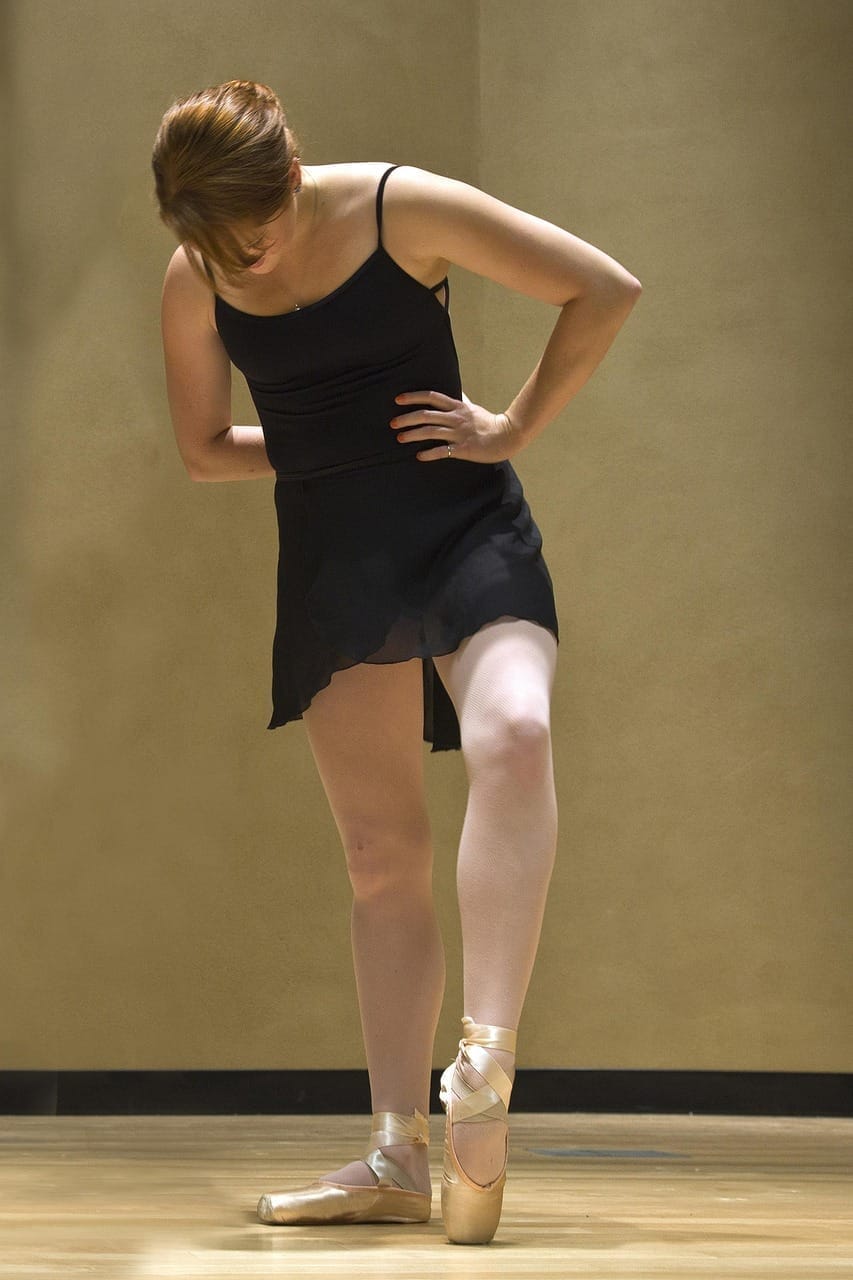
Pilates remains a valuable and irreplaceable component of dancer conditioning. But when used in isolation, it leaves crucial gaps in strength, power, endurance, and injury prevention.
For the next generation to thrive, especially in South Africa, where this type of specialised support is lacking, we must combine Pilates with biomechanics, intelligent conditioning, and modern dance science.
Dancers deserve more.
Studios deserve support.
And teachers deserve the tools to move beyond tradition towards knowledge.
Pilates is part of the solution, but Elevé helps complete the picture.
Let us know what you think in the comments!