
How Elevé Supports Teachers: Bringing Biomechanics Into the Studio
Teaching dance is an art, but guiding dancers safely and effectively requires more than inherited knowledge. For decades, teachers have relied on the methods their own teachers used, and their teachers before them. While tradition has value, it shouldn’t be the only foundation we build dancers on. The dance world evolves, science evolves, and our students deserve guidance that evolves with it.
At Elevé, we bridge the gap between tradition and modern science. By integrating biomechanics, evidence-based strength training, and intelligent conditioning, we support dance teachers in elevating their approach, fine-tuning their coaching, and keeping their dancers safe.
Why Outdated Teaching Methods Hold Dancers Back!
Dancers today face different demands than dancers decades ago. Yet so many teaching methods remain frozen in time.
Common patterns I’ve noticed:
Teachers repeat cues without understanding the underlying mechanics.
Corrections are often vague (“pull up,” “use your core,” “rotate more”).
Some instructions promote hypermobility or unsafe alignment.
Strength work is neglected or added as an afterthought.
Pain is normalized rather than addressed.
None of this is the teacher’s fault, it’s a system built on repetition rather than questioning, but continuing to rely solely on outdated methods stunts progress, increases injury risk, and limits the potential of the next generation.
It’s time to shift from tradition-driven teaching to knowledge-driven teaching.
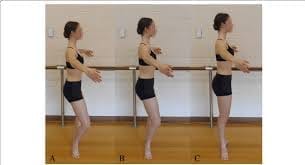
What Bringing Biomechanics Into the Studio Really Means
Biomechanics might sound technical, but in practice it’s empowering and practical.
It gives teachers the ability to:
Understand WHY a correction matters
Identify the root cause of technical issues
Correct alignment safely
Reduce injury risk
Build stronger, more capable dancers
Tailor cues to different body types
Teach with clarity and confidence
A dancer’s turnout becomes more than a shape, it becomes a functional, supported action.
Balance becomes a relationship between strength and stability.
Jumps become expressions of power, technique, and mechanics, not just artistry.
With this knowledge, the studio transforms from a place of repetition into a space of growth.
Supporting Teachers Without Judgment
One of the biggest barriers teachers face is fear. Fear of being wrong, of not knowing enough. But here’s the truth: no one knows it all, not even the most experienced educator.
Elevé exists not to critique, but to support, empower, and equip.
My approach comes from:
20+ years of experience in the dance industry
My journey as a professional dancer
Training as a Biokineticist and orthopaedic rehabilitation specialist
Years studying functional movement, injury prevention, and intelligent conditioning
I’ve seen teachers giving their absolute best, yet lacking the tools to troubleshoot complex biomechanical challenges. This type of education hasn’t been widely available, especially in South Africa. Teachers shouldn’t have to guess, and dancers shouldn’t have to risk injury.
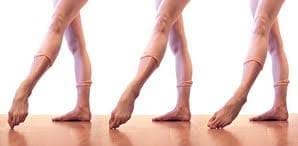
How Elevé Helps You Bring Biomechanics Into Your Teaching
Elevé empowers teachers with practical, accessible, and evidence-based learning:
✅ Online Mini-Courses
Short, focused modules that allow teachers to learn at their own pace.
✅ Workshops and Masterclasses
Hands-on, interactive sessions with real-time application and feedback.
✅ Injury Prevention and Technique Support
Understand the “why” behind technique, not just the “how.”
✅ Conditioning Programs to Complement Technique
Build strength, mobility, and stability safely alongside your students.
✅ Evidence-Based Education
Learn with confidence using modern research, not just tradition or hearsay.
The Future of Dance Teaching Is Brave and Informed
The dance world doesn’t need teachers who think they know it all. It needs teachers who are willing to learn, evolve, and lead with openness.
By embracing biomechanics and modern conditioning, teachers can:
Advance the performance of their dancers
Prevent injuries
Create inclusive, informed learning environments
Prepare dancers for professional demands
Grow their own skills and confidence
Tradition has value, but evolution is essential. If you don’t adapt, someone else will, and you risk being left behind while the field moves forward. The next generation deserves teachers who are bold enough to rethink, relearn, and rise with them.
Elevé is here to help you do exactly that.
Conclusion
The best teachers are not those who know it all, they are the ones who keep learning. By integrating biomechanics, intelligent conditioning, and evidence-based methods into your teaching, you can:
Elevate your dancers safely and effectively
Build stronger, smarter, more resilient students
Move the dance world forward
It’s time to leave outdated methods behind. The dance world is evolving and teachers who evolve alongside it will lead the next generation to rise higher than ever.
Let us know what you think in the comments!