

Intelligent Conditioning: The Missing Link in Strong, Healthy Dancers
Why Intelligent Conditioning Is Essential for Dancers
Dance is breathtaking to watch, powerful, expressive, and full of emotion, but behind every elegant line and seemingly effortless leap lies a body that works incredibly hard. Dancers push themselves physically, mentally, and emotionally, yet traditional dance training alone often doesn’t support the full complexity of what the body needs.
This is where intelligent conditioning becomes essential.
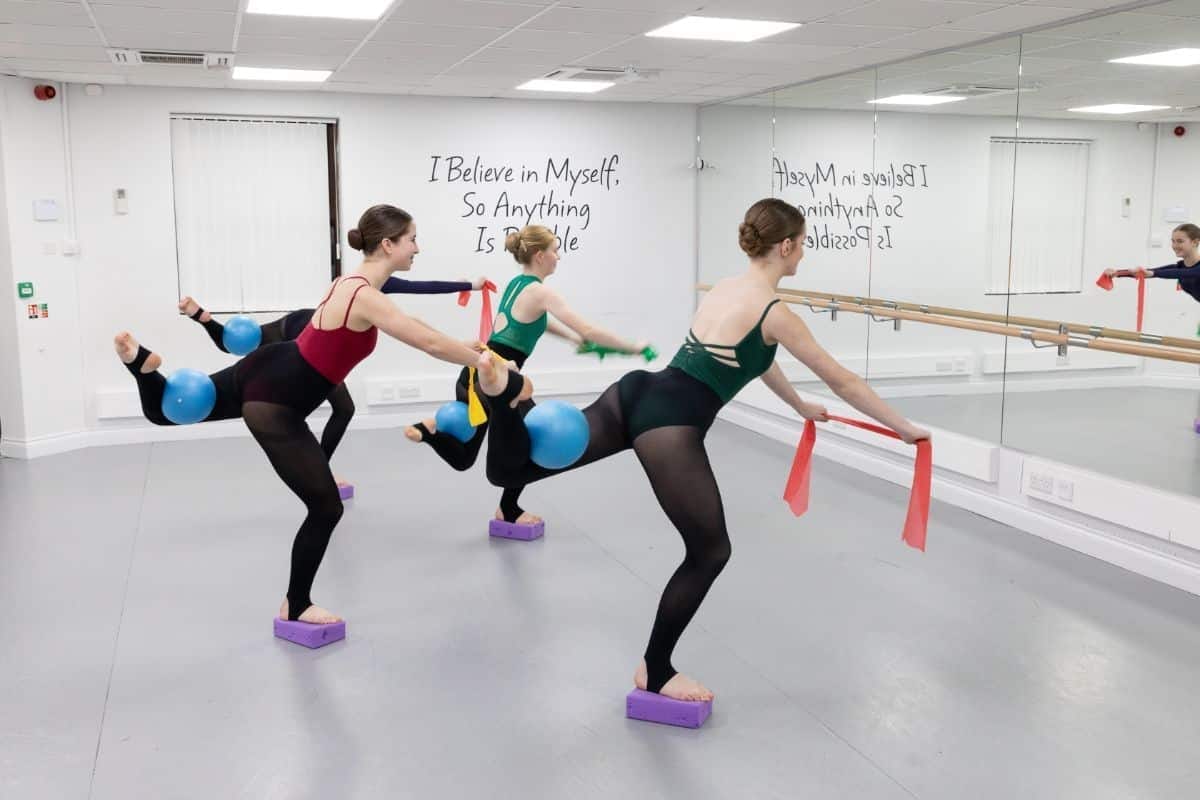
Intelligent conditioning blends scientific understanding, movement awareness, and dance-specific training to create strong, resilient, well-balanced dancers. It goes beyond just stretching or drilling techniques, it teaches dancers how to move smarter, not harder.
In a world where performance demands continue to rise, intelligent conditioning is no longer optional.
It’s a necessity!
1. Dance Alone Isn’t Enough
Dance classes build artistry, musicality, and technical skill, but they don’t always develop the strength, stability, and biomechanics needed for long-term performance. Without proper conditioning, dancers may find themselves struggling with:
poor alignment
weak stabilisers
limited core control
tightness from overuse
inconsistent technique
recurring injuries
Traditional training simply doesn’t strengthen the body in all the ways dancers require. Intelligent conditioning fills the gaps.
2. Prevention Is Better Than Rehabilitation
Many dancers only seek help when they’re already injured and by then, it’s often too late to avoid time off, frustration, or setbacks. Intelligent conditioning prioritises prevention.
By improving strength, joint stability, muscular balance, mobility, and control, dancers significantly reduce their risk of:
ankle sprains
knee strain
hip impingement
lower back pain
stress fractures
overuse injuries
A strong, well-conditioned body can train consistently, recover faster, and perform with greater ease.
3. Conditioning Improves Technique, Dramatically!!
Stronger dancers move better, it’s that simple.
Targeted conditioning supports the quality of movement because it enhances:
turnout
extension
balance
power
endurance
coordination
control
When the body is strong and stable, technique becomes more fluid, expressive, and effortless. Intelligent conditioning gives dancers access to movement they may never have been able to achieve through technique alone.
4. Intelligent Conditioning Supports Longevity
Many dancers leave the profession earlier than they should, not because they lack talent, but because their bodies can’t withstand the demands placed on them.
Smart conditioning builds a body that can last.
It creates space for long-term training, sustainable performance, and a healthier relationship with movement. Longevity isn’t just about avoiding injury, it’s about preserving joy in dance.
5. It Fills a Critical Gap in Dance Training, Especially in South Africa
In most sports around the world, athletes rely on teams of experts, (physiotherapists, sports scientists, performance coaches) all working together to keep them strong, healthy, and performing at their best.
So why isn’t the same level of support standard in the dance world, especially here in South Africa?
Yes, we have talented physiotherapists and rehabilitation professionals working with dancers. But dance is unique. Without deep knowledge of turnout mechanics, pointe technique, alignment in arabesque, weight placement, and the technical demands of choreography, it’s challenging to fully understand the root causes of injuries or provide effective, long-term solutions.
Dance injuries are not general sports injuries.
They require specialised insight.
This is precisely the gap intelligent conditioning aims to close, bringing together movement science and dance technique to support dancers more holistically and effectively.
6. The Science Behind Better Performance
Intelligent conditioning is grounded in evidence-based movement. It’s not random exercises or “stronger core” clichés, it’s strategic training based on:
functional anatomy
biomechanics
neuromuscular control
strength development
mobility training
breath integration
alignment strategies
When dancers understand how their bodies work, they move with clarity and purpose. Every leap, turn, and extension becomes safer, stronger, and more efficient.
7. It Builds Confidence, Not Just Strength
Confidence is often misunderstood in dance. It’s not just about feeling good, it’s about trusting your body.
Intelligent conditioning builds that trust. When dancers feel stronger, more balanced, and supported in their movement, confidence grows naturally.
Technique improves. Pain decreases. Progress becomes consistent. And dancers feel empowered, not overwhelmed. Confidence transforms performance!
Conclusion: The Future of Dance Training is Smart, Safe, and Sustainable
Dancers are artists, but they are also athletes. Their bodies deserve to be trained, supported, and protected with the same care given to any high-performing athlete.
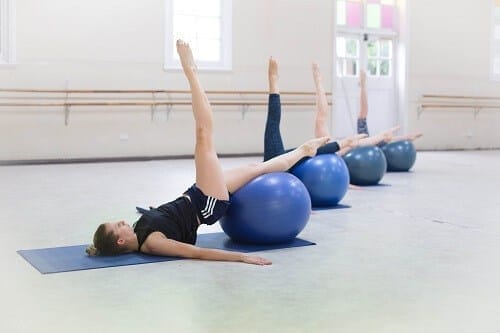
Intelligent conditioning isn’t about replacing traditional training. It’s about enhancing it. Strengthening it. Supporting it.
At Elevé, our mission is to equip dancers with the knowledge, science, and tools they need to rise, safely, powerfully, and with longevity in mind.
Because when dancers train smarter, they don’t just prevent injuries…
They elevate everything.
Let us know what you think in the comments!